80 % deiner Käufer sind am Handy — und du verlierst sie beim ersten Wischen
Die meisten deiner Besucher kommen vom Smartphone — direkt aus Reels, TikTok und Stories, mit einem Daumen, der auf Bewegung trainiert ist. Trifft er auf deiner Produktseite ein stilles Foto, wischt er weiter. Warum mobile Käufer anders ticken, und wie du sie hältst.

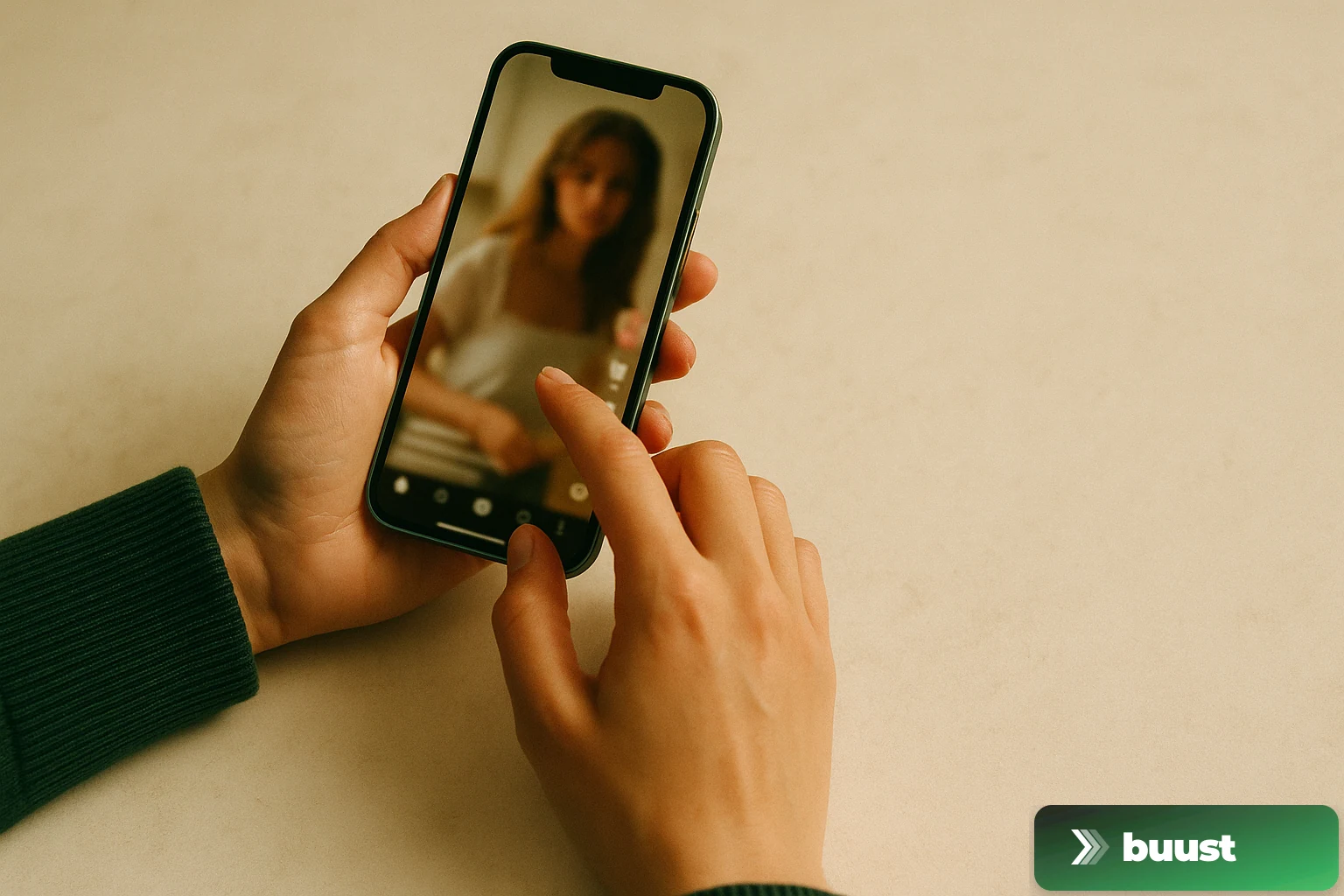
Mach den Test sofort, bevor du weiterliest: Nimm dein eigenes Handy, öffne deine meistverkaufte Produktseite — nicht am Desktop, am Smartphone. Was passiert in der ersten Sekunde? Bewegt sich etwas? Oder steht da ein stilles Foto, das darauf wartet, dass du es anschaust?
Wenn da ein stilles Foto steht, hast du gerade gesehen, wo dein Geld verschwindet. Denn so wie du gerade geschaut hast, schaut die Mehrheit deiner Besucher — am Handy, mit einem Daumen im Dauer-Scroll.
Der mobile Käufer ist ein anderer Mensch
In den meisten Kategorien kommt heute der Großteil des Traffics vom Smartphone. Und der mobile Besucher ist nicht einfach ein Desktop-Besucher mit kleinerem Bildschirm. Er ist in einem völlig anderen Zustand.
Er war eine Sekunde vorher in Reels, in TikTok, in Instagram-Stories. Sein Auge ist auf Bewegung kalibriert. Sein Daumen ist im Wisch-Rhythmus. Er konsumiert in Sekundenbruchteilen und entscheidet noch schneller, ob etwas ihn hält oder nicht.
Wenn dieser Mensch von einer Anzeige auf deine Produktseite kommt und dort ein statisches Bild trifft, das nichts tut, passiert etwas Fatales: Der Bruch im Rhythmus. Eben noch Bewegung, jetzt Stillstand. Das fühlt sich an wie ein Plakat mitten im Film. Und Plakate wischt man weiter.
Was am Desktop funktioniert, scheitert am Handy
Eine schöne Bildergalerie mit acht Fotos ist am Desktop ein gutes Erlebnis — man überfliegt die Thumbnails, klickt sich durch, vergleicht. Am Handy passiert das fast nie. Die Zusatzbilder liegen außerhalb des sichtbaren Bereichs, das Durchwischen kostet Mühe, und der mobile Daumen ist zu ungeduldig dafür.
Heißt: Am Handy entscheidet das erste, was sichtbar ist — und sonst fast nichts. Bild zwei bis acht existieren für die meisten mobilen Käufer nicht. Wenn dein erstes Bild den Daumen nicht stoppt, hast du keine zweite Chance.
Bewegung ist die einzige Sprache, die der Daumen versteht
Ein Produktvideo im ersten sichtbaren Bereich knüpft genau an das an, was der mobile Nutzer gerade getan hat. Statt eines Bruchs im Rhythmus gibt es eine Fortsetzung: Der Daumen war auf Bewegung eingestellt — und findet Bewegung.
- Der Scroll stoppt, weil Bewegung im Augenwinkel stärker zieht als jedes Standbild.
- Aus zwei Sekunden Aufmerksamkeit werden fünf, aus fünf werden fünfzehn.
- Und Verweildauer ist der erste, messbare Schritt Richtung Kauf — am Handy noch stärker als am Desktop.
Du gewinnst dabei keinen einzigen neuen Besucher. Du verlierst nur deutlich weniger von denen, die ohnehin schon da sind — und das ist der billigste Umsatz, den es gibt.
„Aber meine Produktseite ist doch mobil-optimiert"
Vermutlich ist sie das — technisch. Sie lädt schnell, die Buttons sind groß genug, der Checkout funktioniert am Daumen. Das ist die Pflicht und die ist wichtig.
Aber „mobil-optimiert" bedeutet bei den meisten Shops nur „funktioniert am Handy". Es bedeutet nicht „hält den mobilen Daumen". Das eine ist Technik, das andere ist Aufmerksamkeit — und nur die zweite verkauft.
Der pragmatische Ausweg
Für jedes Produkt einzeln ein hochformatiges, daumenstoppendes Video zu drehen und mobil sauber einzubinden, ist der Aufwand, an dem die meisten scheitern. Mit Buust verbindest du deinen Shop, ziehst alle Produkte und erzeugst in dreißig Minuten Videos für den ganzen Katalog — stummgeschaltet, automatisch abspielend, im richtigen Format, direkt auf der Produktseite, ohne Theme-Umbau.
Du änderst nichts an deinem Marketing. Du gibst dem mobilen Daumen, der ohnehin bei dir landet, einen Grund stehenzubleiben.
Starte kostenlos, öffne danach dieselbe Produktseite noch einmal am Handy — und sieh den Unterschied zwischen „weiterwischen" und „stehenbleiben".
Häufige Fragen zum Thema
Wie viele Online-Käufe passieren heute auf dem Smartphone?+
In den meisten Konsumgüter-Kategorien kommt der Großteil des Traffics und ein wachsender Anteil der Käufe vom Mobilgerät — oft 70 bis 80 %. Wer seine Produktseite primär am Desktop denkt, optimiert für die Minderheit.
Warum konvertiert Mobile oft schlechter als Desktop?+
Weil der mobile Kontext anders ist: kleiner Bildschirm, geteilte Aufmerksamkeit, ein Daumen im Scroll-Modus. Statische Galerien, die am Desktop funktionieren, lösen am Handy keinen Stopp aus. Bewegung im sichtbaren Bereich hält den Daumen deutlich besser.
Hilft Video auf Mobilgeräten mehr als am Desktop?+
Tendenziell ja. Mobile Nutzer kommen häufig direkt aus Video-Feeds und erwarten Bewegung. Ein Produktvideo im ersten sichtbaren Bereich knüpft genau an dieses Verhalten an und verlängert die Verweildauer — der erste Schritt zum Kauf.
Verlangsamen Videos die mobile Produktseite?+
Nicht, wenn sie richtig eingebunden sind: stummgeschaltet, automatisch abspielend, im passenden Format und komprimiert ausgeliefert. So entsteht Bewegung ohne spürbare Ladezeit — der Performance-Einwand ist heute meist gelöst.
Bereit, deine Listings auf Video umzustellen?
10 Videos kostenlos. Keine Kreditkarte. In unter 5 Minuten verbunden.
Weiterlesen

Was kostet ein Produktvideo 2026? Agentur, Freelancer, KI — der ehrliche Kostenvergleich
Ein einzelnes Produktvideo bei einer Agentur kostet schnell mehrere hundert bis tausend Euro. Für einen Katalog mit hunderten Artikeln ist das utopisch. Der ehrliche Vergleich zwischen Agentur, Freelancer und KI — mit den versteckten Kosten, die selten jemand nennt.
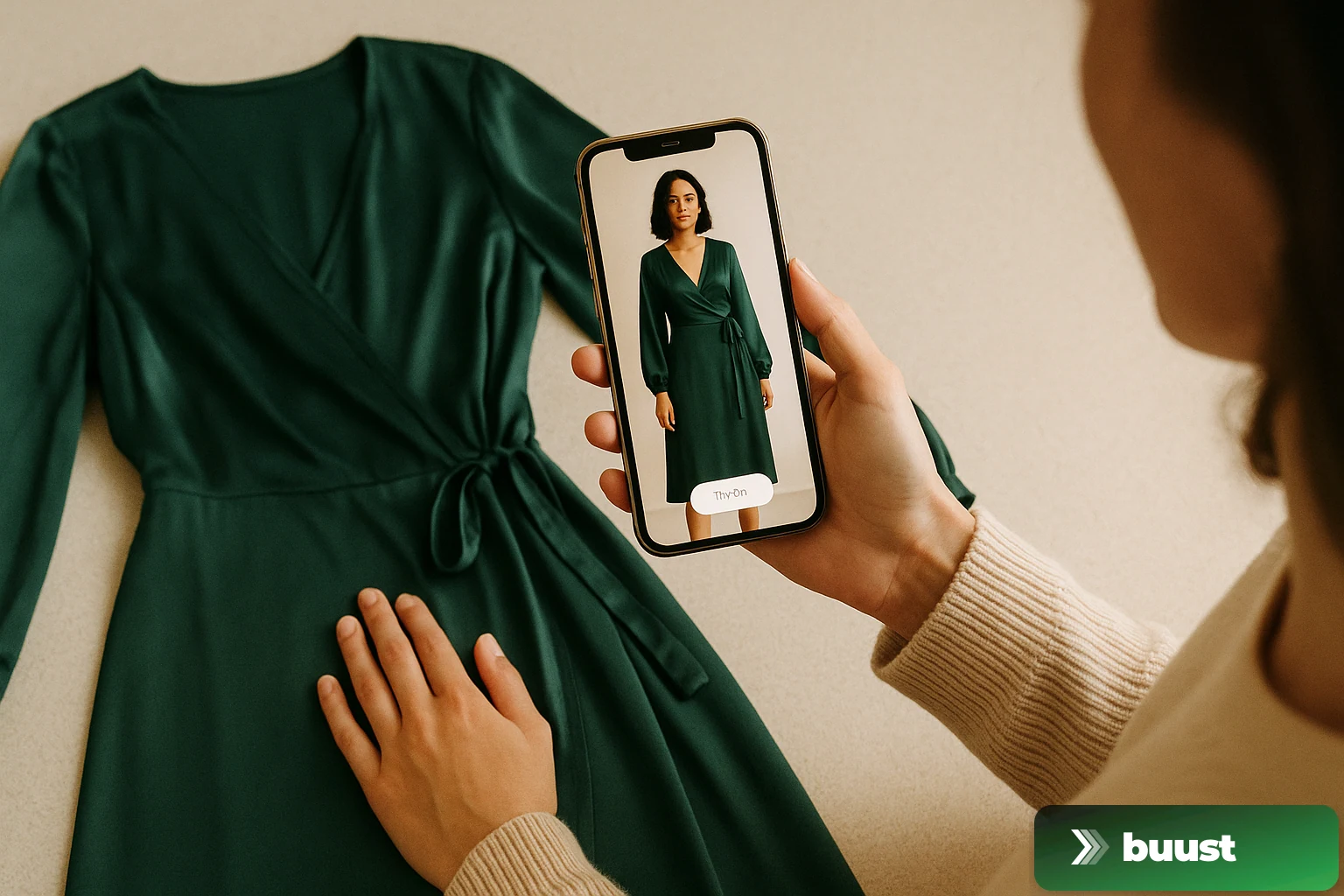
Anprobe direkt im Shop: Wie virtuelle Try-Ons Retouren senken
Die teuerste Retoure ist die, die nie hätte passieren dürfen — bestellt „zum Probieren in zwei Größen". Eine virtuelle Anprobe beantwortet die „Passt das zu mir?"-Frage vor dem Kauf. So funktioniert Try-On im eigenen Shop.
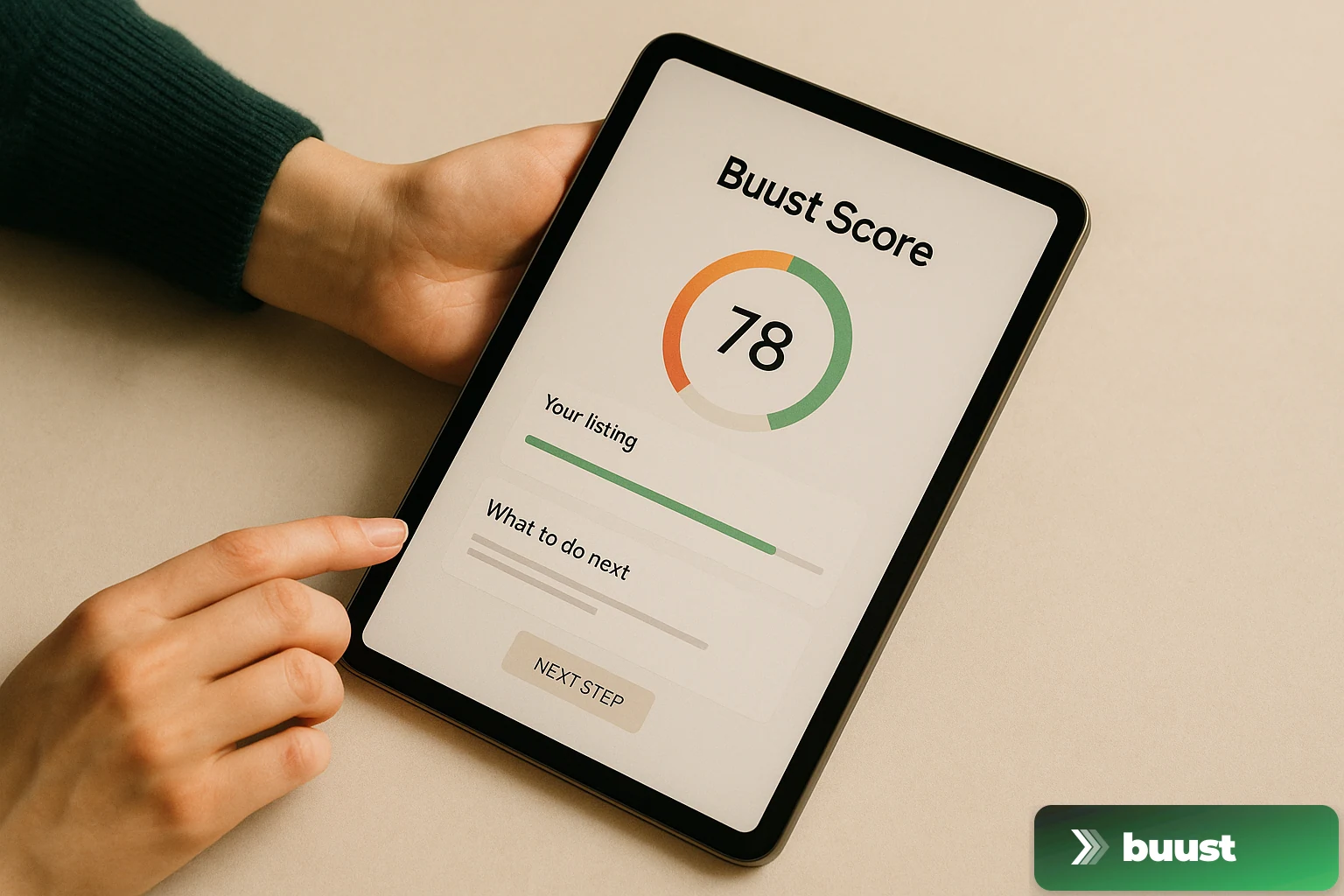
Der Buust-Score: Wie gut verkauft dein Listing — und was du als Nächstes tun solltest
Die meisten Listings sind nicht schlecht — sie sind nur an einer Stelle schwach, und niemand sagt dir, an welcher. Der Buust-Score macht aus „irgendwie optimieren" eine Zahl und genau einen nächsten Schritt. So liest du ihn richtig.