Do you know whether your video actually sells? Buust proves it.
Buust reads your real sales and impressions straight from the marketplace and compares the same listing before vs. after. You see the actual conversion rate — not views that nobody buys.
- Real sales figures
- Measured per listing
- Sample thresholds, not noise
Sales uplift
Sales per week
Funnel demo from real observations: the same funnel with a photo and with a video.
Views are not sales
Most tools celebrate reach: “your video was seen 10,000 times.” But that number says nothing about whether a single extra unit was sold. Without a real link to conversion, it stays gut feeling.
- Vanity numbers deceive. Views, likes and impressions look great, but they do not tell you whether the video actually convinced more buyers.
- Seasonality skews the comparison. A good month can come down to the weather, a promotion or the assortment — not the video. Anyone who does not factor that out is measuring chance.
- Tiny samples lie. Two sales after a video are no proof. Without minimum thresholds you read a “+100%” out of pure noise.
With Buust
- Real conversion, not vanity numbers. Buust measures the sales rate from real order and pixel data on the marketplace — views are kept separate and never sold as proof of a sale.
- Before vs. after on the same listing. The comparison runs on the same product. Seasonal and promotional effects hit both windows equally and largely cancel out.
- Sample thresholds against noise. Only from enough impressions or sales in the pre-window does a value count. Data that is too thin yields no fantasy uplift.
An honest measurement instead of a pretty number
Buust builds the measurement the way you would set it up yourself if you had the time and the data access: equal windows, hard thresholds, cleanly separated metrics.
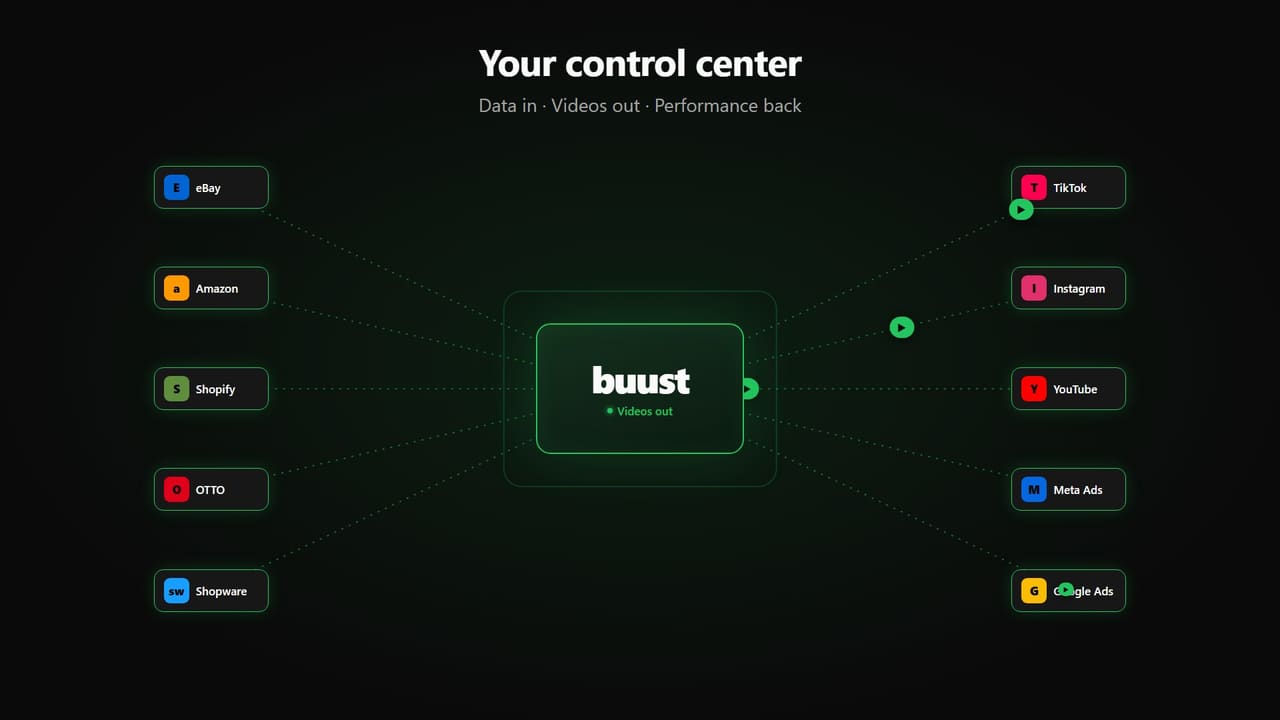
Real marketplace data, fresh daily
Buust reads sales and impressions straight from the marketplace — impressions and sales from eBay Sell Analytics, sales via the Shopify pixel — and stores them daily. The measurement runs on solid numbers, not estimates.
- eBay Sell Analytics (impressions + sales) and the Shopify pixel as the conversion source
- Stored daily, every window rolls along
- Settlement lag accounted for: Shopify pixel instantly, eBay after clearing
Before/after, symmetrically fair
The pre-window is clamped to the length of the post-window so even a young video is measured fairly. Apples to apples, no home advantage for either side.
- Symmetric pre/post windows, even for fresh videos
- Conversion rate computed in basis points, no float drift
- At least half the days with data — otherwise no value
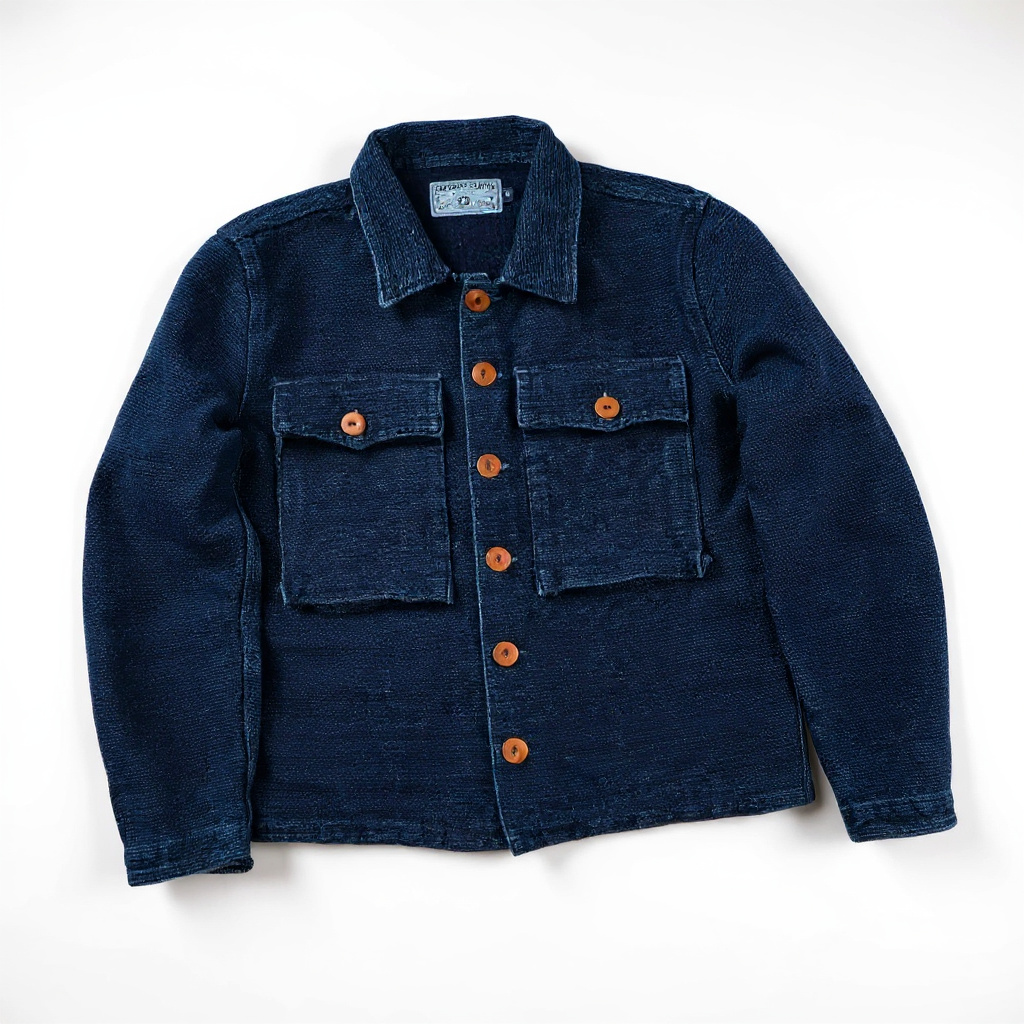 AfterBefore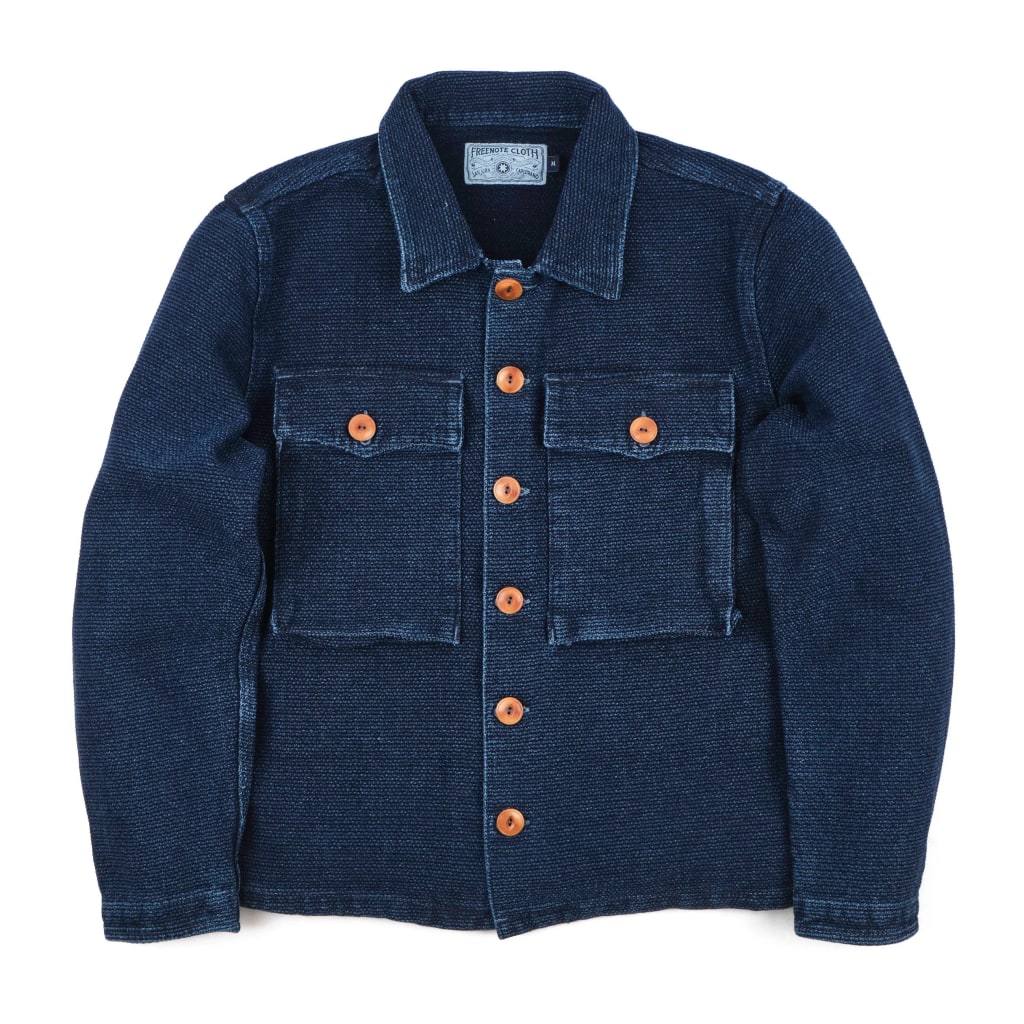
Views and sales cleanly separated
Views uplift and conversion uplift are two different fields. Buust never mixes them: reach is reach, a sale is a sale — and only sales count as proof of impact.
- Conversion uplift from real sales
- Views uplift separate, only from enough days with data
- Negative values shown honestly, not hidden
Six things that separate proof from a claim
An uplift figure is only as good as the rules behind it. These are the rules Buust measures by — so that “looks good” becomes a solid proof of impact.
Conversion before vs. after
Buust measures the relative change in the sales rate — sales divided by impressions — on the same listing before and after the video. That is the core: did the rate move?
Per listing, not lumped together
Each product gets its own measurement. So you see which video really pulls and which product may not need a video at all — instead of a meaningless average.
Real order and pixel data
The conversion numbers come from eBay Sell Analytics (impressions + sales) and the Shopify pixel — not from extrapolations. Amazon provides sales only, no impressions, so it does not feed the conversion rate. Buust stores everything daily so every comparison stands on real events.
Sample thresholds
A value counts only from a sufficient sample in the pre-window: for the conversion rate, enough impressions and at least one sale; otherwise a sales-based fallback kicks in from at least one sale. On top of that, at least half the days must carry real data — against gap-filling fantasy.
Aggregate uplift for the whole account
Across all meaningful listings, the dashboard shows a median uplift — but only from three solid listings on, so a single number cannot distort the whole picture.
Drives the journey decision
The measured uplift decides whether the next, more elaborate video stage is worth it. If a stage delivers less than the previous one, it rolls back — you only pay for what works.
How the proof of impact comes about
You set nothing up and maintain nothing — Buust measures in the background, you just read the result.
- 01
Read data daily
A cron job pulls sales and impressions from the marketplace every day and files them by product, platform and window.
- 02
Build windows
Buust sets a pre-window before the video and an equally long post-window after — with rolling-now, so recent days flow in too.
- 03
Check thresholds & compute
Only when there are enough impressions, enough sales and enough days with data is the conversion change computed — otherwise it stays honestly empty.
- 04
Show uplift & decide
The uplift appears per listing and as a median in the dashboard — and steers whether the next video stage is unlocked, recommended or paused.
Vanity numbers vs. proof of impact
What the usual reports show — and what Buust measures instead.
Usual reports
- Views and likes celebrated as “success”
- The whole shop lumped together
- Seasonality and promotions not factored out
- Two sales are enough for a “+100%”
- “It’ll surely work” — no threshold, no proof
With Buust
- Real conversion rate from order and pixel data
- Measured per listing, no blanket average
- Before/after on the same listing cancels effects out
- Minimum sample, not noise: enough impressions and at least one sale in the pre-window
- Negative values shown honestly too — correlation, not a guarantee
Common questions
Is this a real A/B test?
No — to be honest. Buust compares the same listing before vs. after, which is a strong correlation but not randomized causality. Seasonal and promotional effects hit both windows equally and largely cancel out. If you want watertight causality you need a clean A/B test; for everyday use the before/after measurement is a solid indicator.
Why does it take a few days before I see an uplift?
Because reliable numbers take time. eBay clears sales with a one to two day delay, and a meaningful window needs several days and enough impressions. Buust would rather wait for solid data than show you a fantasy figure after an hour.
Can the uplift be negative too?
Yes, and that is by design. If a video does not fit the product or is simply worse, the conversion can fall — and that is exactly what Buust shows openly. An honest measurement has to show bad news too, otherwise it is worthless.
Does Buust also count plain views?
Views are captured but kept strictly separate. The views uplift is its own field and is never reported as proof of a sale. Only the real conversion from order and pixel data counts as proof of impact — reach alone sells nothing.
What does the minimum sample mean?
Before a number is counted, enough data has to be present in the pre-window — for the conversion rate, enough impressions and at least one sale; otherwise a sales-based fallback kicks in from at least one sale — and at least half the days with real data. That protects you from reading an apparent giant uplift out of two random sales.
Stop guessing, start measuring
Connect your shop and let Buust compute the real sales uplift of your videos from your marketplace data — listing by listing, with no vanity numbers.
Connect your shop and measure the real sales uplift — listing by listing, from your marketplace data.
More Buust products
Product Videos
Converting product videos from your photos, automatically — from a quick clip to a cinema spot, right inside the listing.
Product VideosPackshot & Ghost Mannequin
One photo in, the whole product-page set out: cutout on white, worn hollow form and marketplace-ready formats.
Packshot & Ghost MannequinColor variants
The same item in several colors from one photo – cut and print stay exact, only the fabric color changes.
Color variants