More buyers. Written plainly.
Insights for marketplace sellers who actually want to move revenue forward — no marketing fluff, no extra channel.
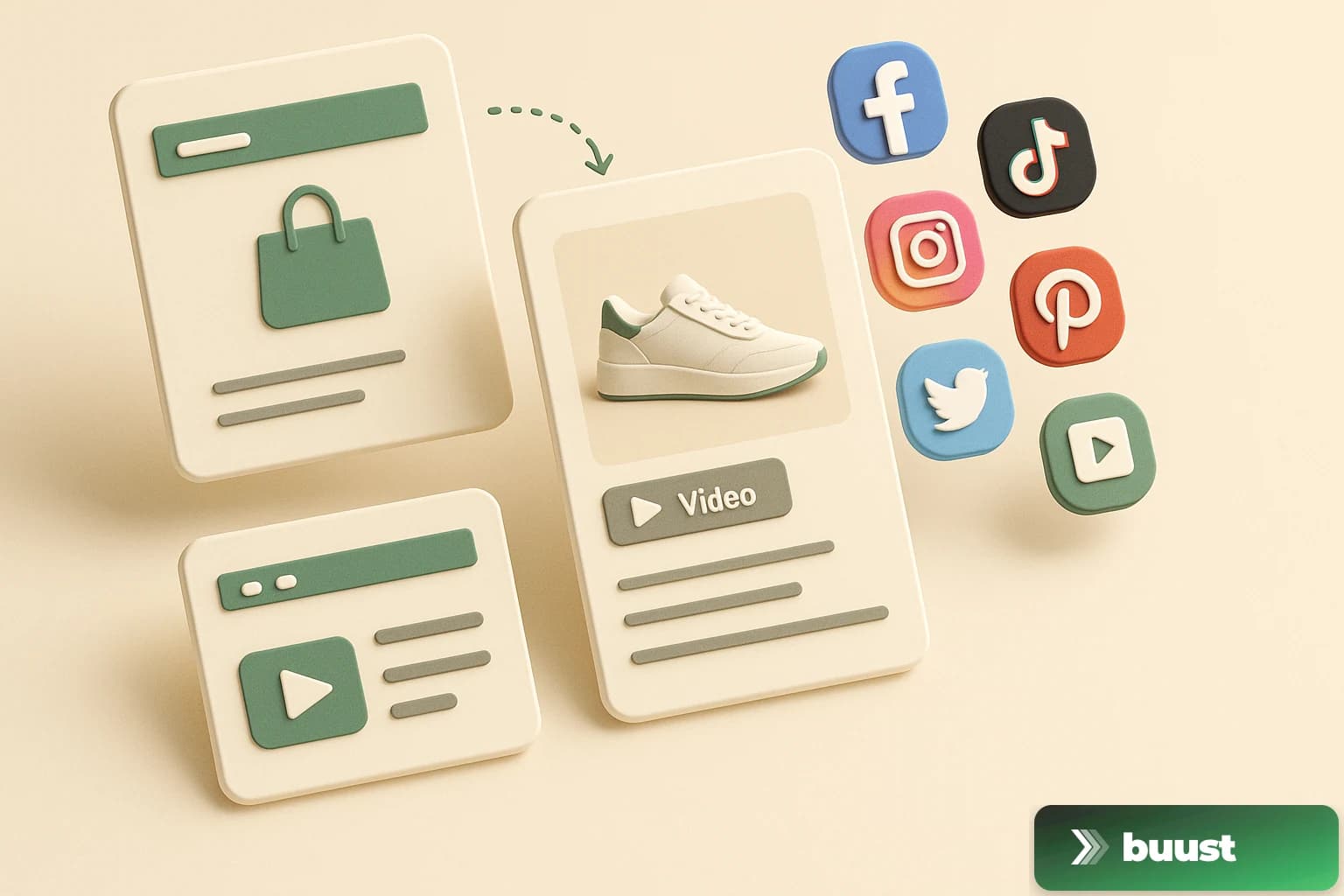
From Listing to Buyer: How Buust Brings One Product to 12 Channels
You connect your store, Buust pulls the products, generates videos, embeds them in your listings, and posts them to eight social channels. Here is the whole workflow at a glance — and why buyers decide differently with video.

Seasonality Without Stress: How a Garden Shop Re-Renders 60 Videos in 2 Hours Per Season Switch
Garden, outdoor, Halloween, Christmas — seasonal shops swap their entire assortment 3-4 times a year. Classically that's 2-3 weeks of photo block each time. With a template pipeline that becomes 2 hours. What that means for cash flow and stress levels.

From Solo Founder to Multi-Marketplace Brand: 90 Days with a Bulk Video Pipeline
What happens when a typical solo founder structures the first 90 days with a bulk pipeline? A realistic day-by-day plan — including the pitfalls nobody else talks about.

What happens when a jewelry seller suddenly has videos on eBay
Photos can never quite capture shine, material feel, and motion — video can. Why jewelry, watches, and cosmetics in particular benefit so heavily from moving content, and what lift ranges are realistic.
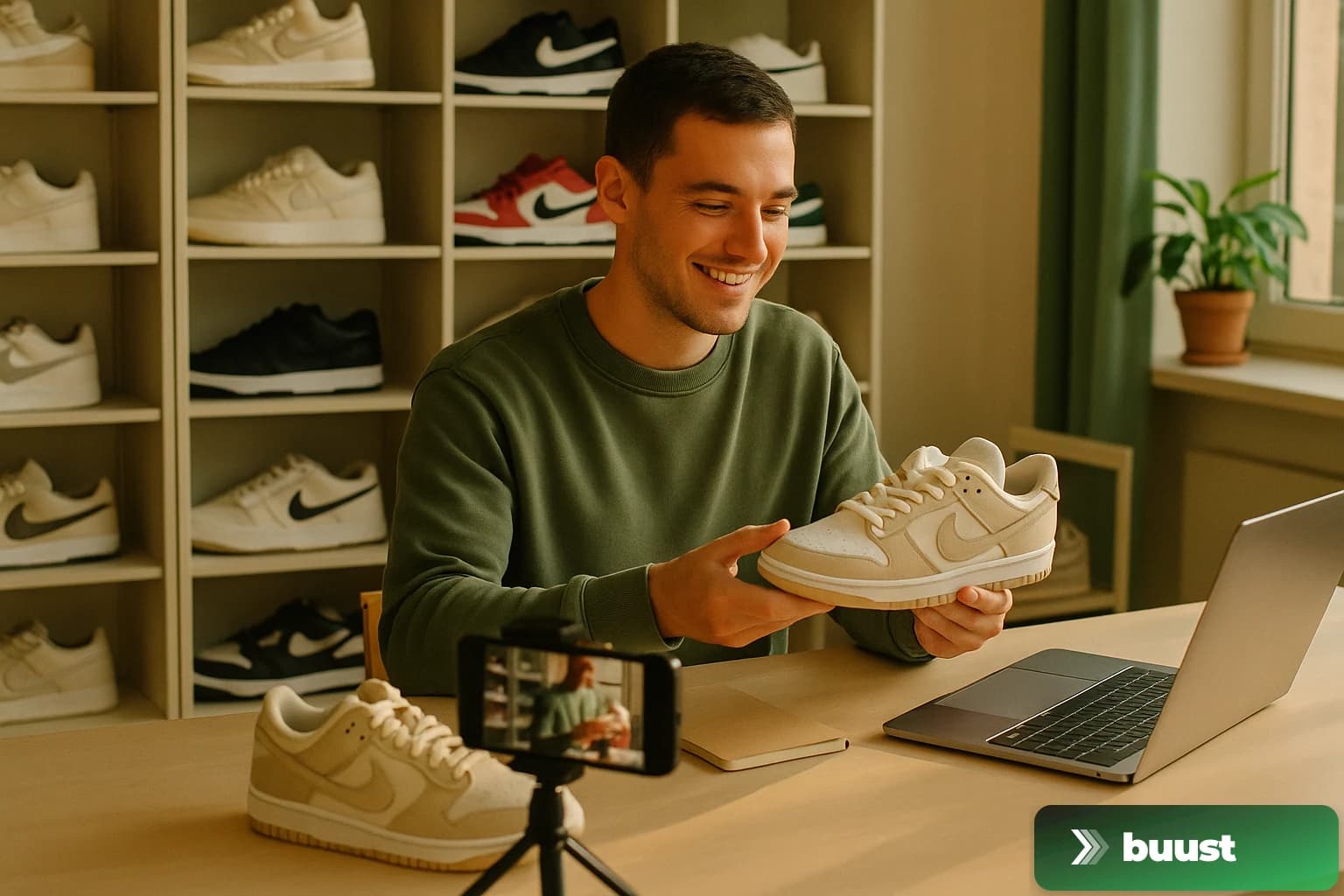
From 8-Hour Photo Shoot to 100 Videos a Day: How a Typical Sneaker Reseller Rebuilds the Content Machine
Picture a typical sneaker reseller with 200 pairs: every model photographed individually, listings hand-written, video not happening at all. Here is what the rebuild to a bulk content machine actually looks like — realistic, not magical.

Social Commerce Without Influencers: How Small Brands Build Their Own Reach with 200 Reels a Month
Influencers are getting more expensive and less reliable. Brand-owned content at high frequency is the alternative — if you can deliver it. Why 200 Reels per month are realistic, what you actually need, and how not to burn out in four weeks.

Generative Models on the Product Page: 6 Use Cases Beyond "AI Photo Background"
Generative AI on the product page is more than a white background. Six concrete applications that already work today — and three that everyone talks about but still disappoint in practice.

eBay Vision Search 2026: What You Have to Show in Your Video So the AI Finds You
eBay is expanding image search. Buyers photograph a product and the AI finds it in the listing catalog. Which frames in your video feed the recognition — and why solo shots in the first seconds suddenly become ranking-relevant.
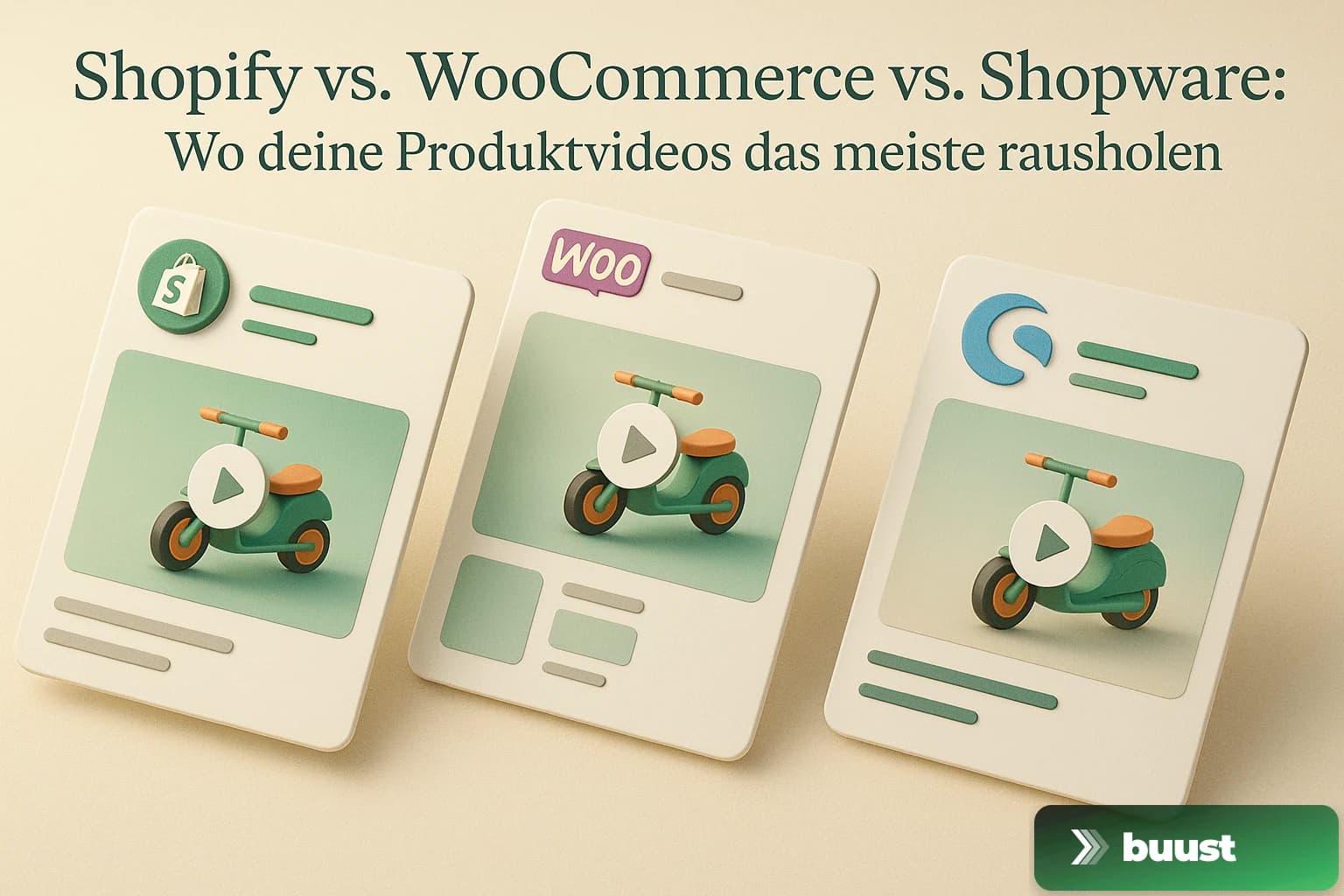
Shopify vs. WooCommerce vs. Shopware: Where Your Product Videos Get the Most Lift
Three shop systems, three realities. Which one gives your product video a real stage, which turns embedding into a weekend project — and which seller type fits which?

Discover-First Commerce: Why Google Discover Matters More Than Google News in 2026
Google Discover is the silent top-3 traffic channel most ecommerce brands have never heard of. High-quality images, editorial content, clear signals — and suddenly thousands of clicks flow in from a feed you do not even actively manage.

AI-Generated Product Videos vs. Studio Shots: What Buyers Actually Notice
AI video grew up in 2026 — for lifestyle context and hero frames it is barely distinguishable anymore. But on hands touching products, packaging text and logo consistency it falls apart. Where AI really works, where studio stays, and why hybrid is the honest answer.
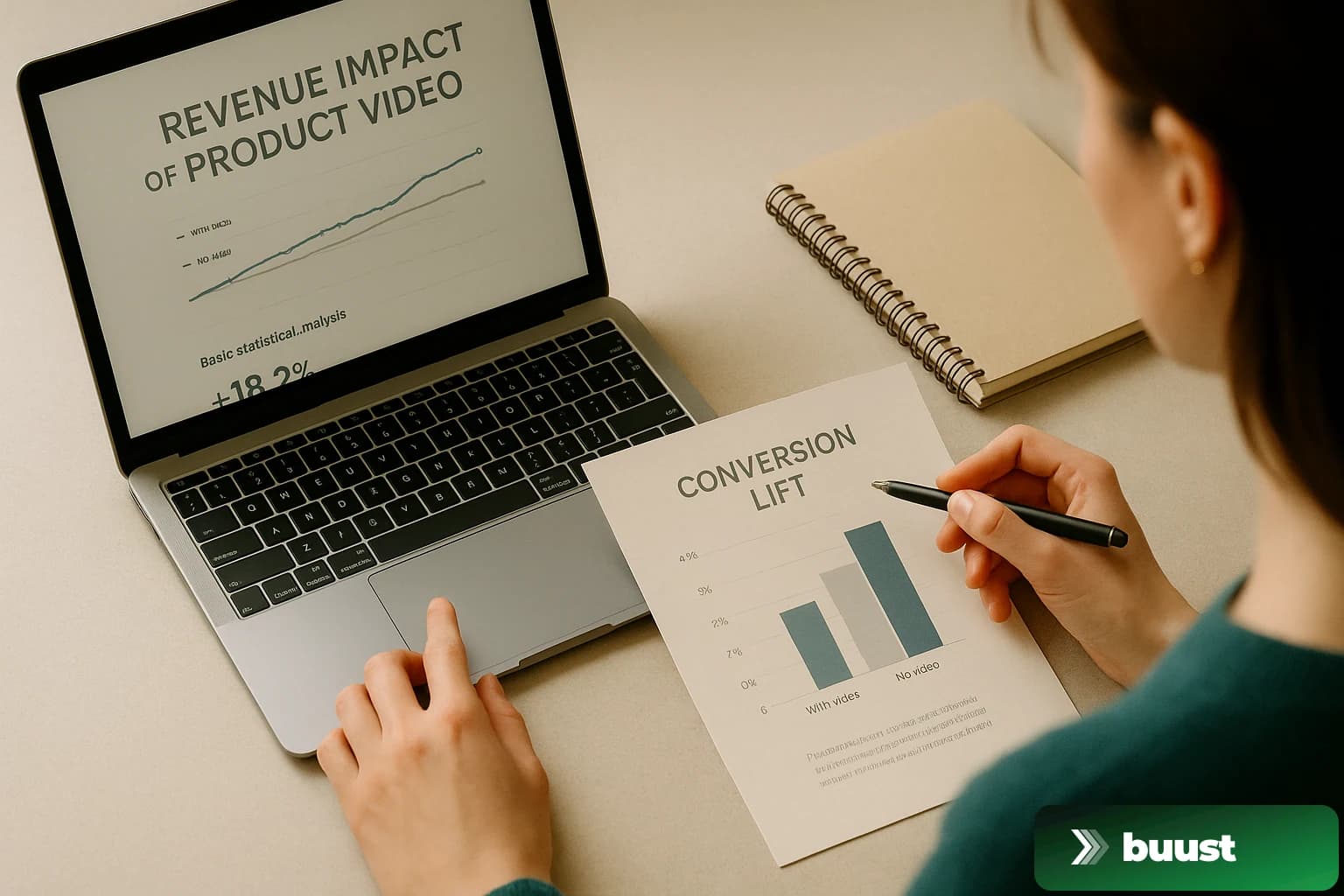
Measuring Conversion Lift: How to Prove Your Product Video Really Drives Revenue
Every vendor claims their tool delivers conversion lift. How to measure honestly, without expensive A/B test software, whether your video really sells — and which numbers smell suspiciously like confirmation bias.

Cross-Border Selling: Why Your Video Needs Three Different Cuts for DE, FR and PL
A product video that sells in Germany often flops in France — and vice versa. Localization is more than language: pacing, hooks, color grade and CTA follow cultural patterns. How to maintain three versions pragmatically, without shooting three times.

Multi-Channel without the chaos: one pipeline for 4 marketplaces and 8 socials
Twelve channels, twelve tools, twelve logins, twelve status dashboards. That is what a typical multi-channel workflow looks like — and exactly where most sellers lose time, overview, and sales. How a single pipeline ends the chaos.

Bullet Points Are Dead: Why 5 Seconds of Video Sells More Than 5 Paragraphs of Text
Bullet points were made for sellers, not for buyers. Why 80 percent of the points in your product page are read by nobody — and what builds more trust in five seconds than three paragraphs of text.

OTTO Market: the underrated German marketplace with almost no video listings
OTTO Market has 17 million active buyers in Germany — and listings without video as far as the eye can see. Anyone bringing motion to their product pages now looks like an established brand among static competitors. Why DE brands shouldn't wait.
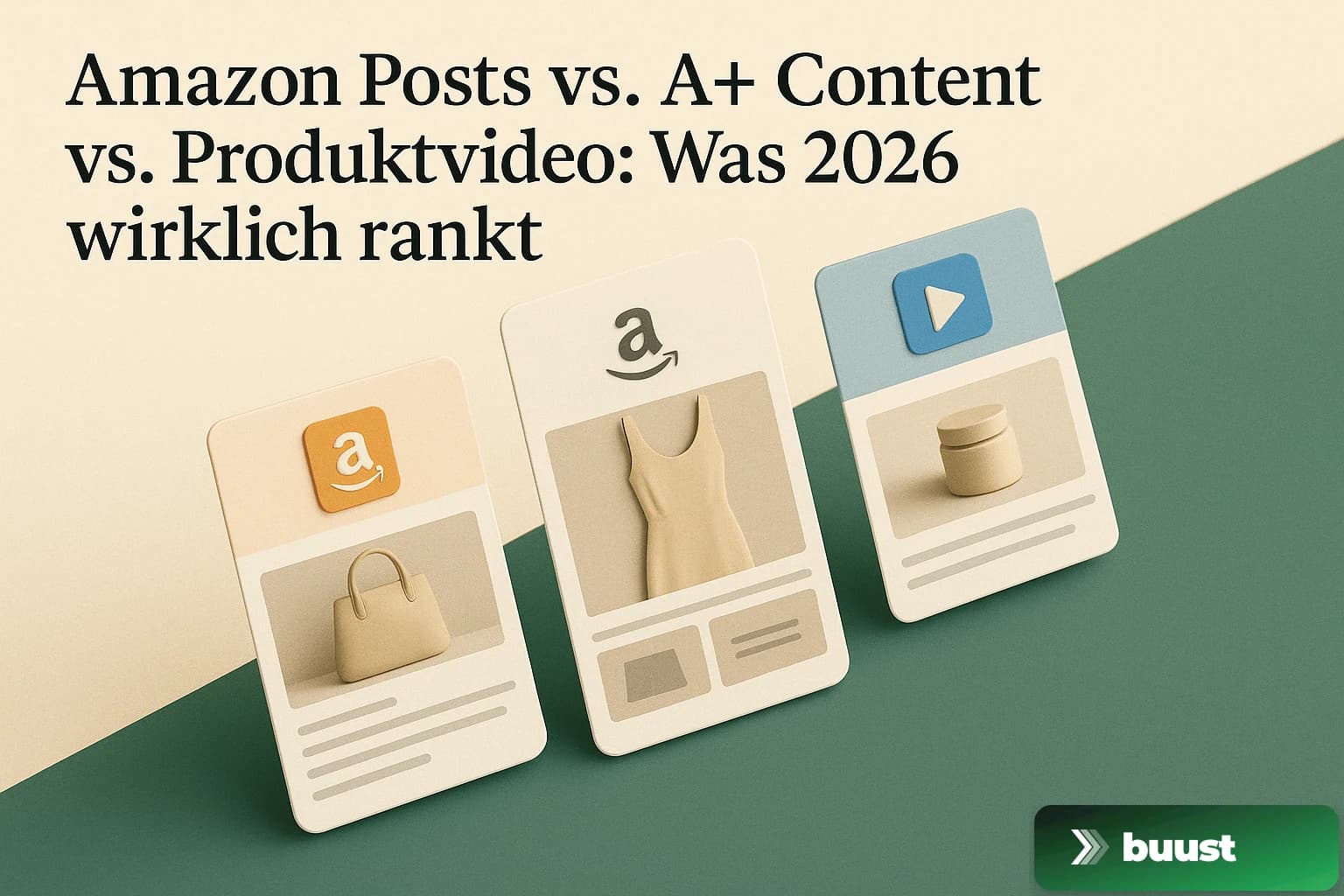
Amazon Posts vs. A+ Content vs. Product Video: What Actually Ranks in 2026
Three content levers, three very different effects. Anyone serious about selling on Amazon in 2026 needs to understand what Posts, A+ Content and product video each do — and in which order they pay off.
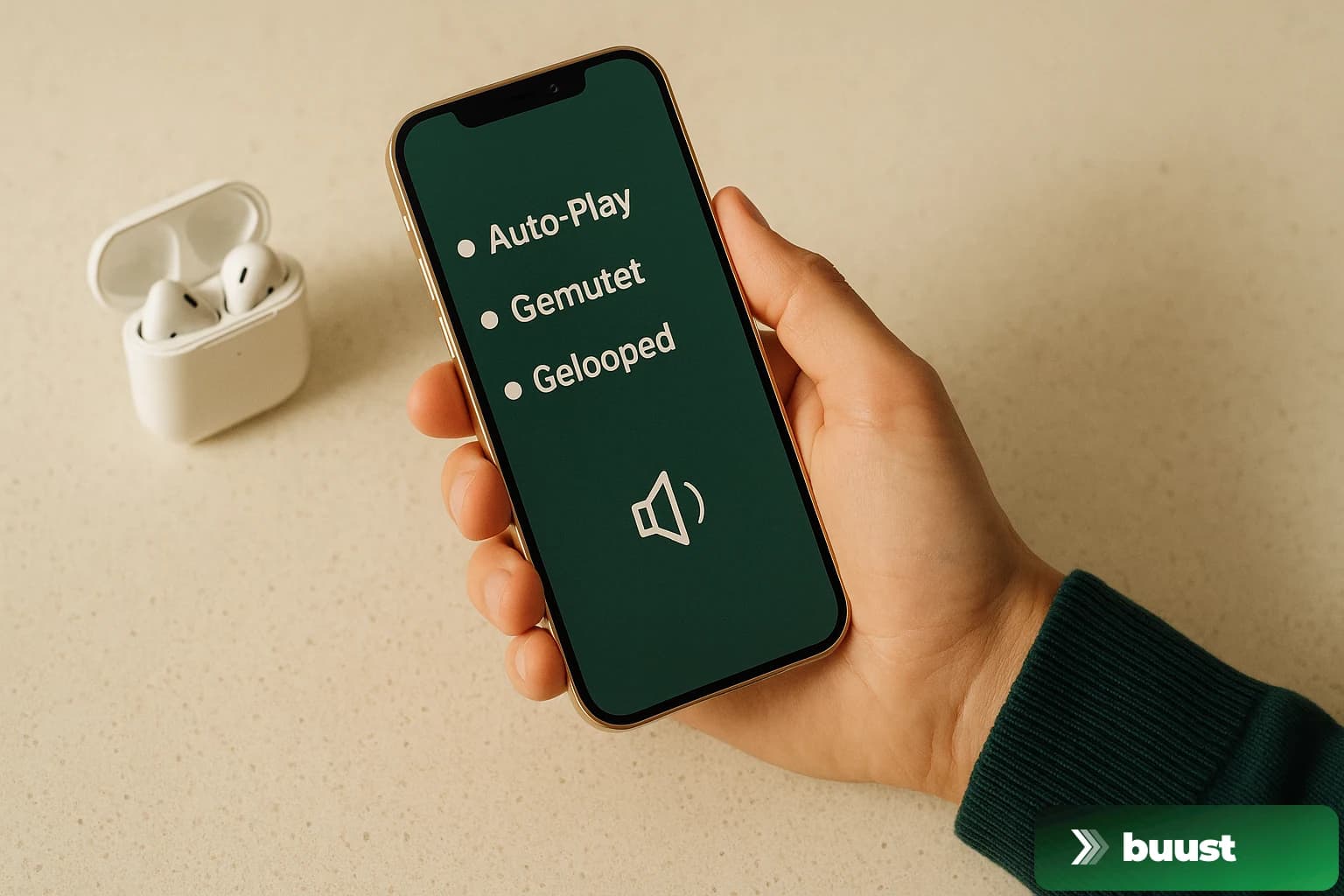
Auto-Play, Muted, Looped: The 3 Audio Rules for Your Product Videos
There are three rules every product video that should sell on a listing page has to follow. Break one of them and you give away most of the impact. And why an audio track still belongs in the file even when no one hears it.

The 3-Second Formula: Headline, Hook and Cut for Better Product Videos
The first three seconds decide whether someone keeps watching or keeps scrolling. Here's the concrete second-by-second formula that turns an interchangeable product video into an actual selling machine — with examples of good and bad hooks.
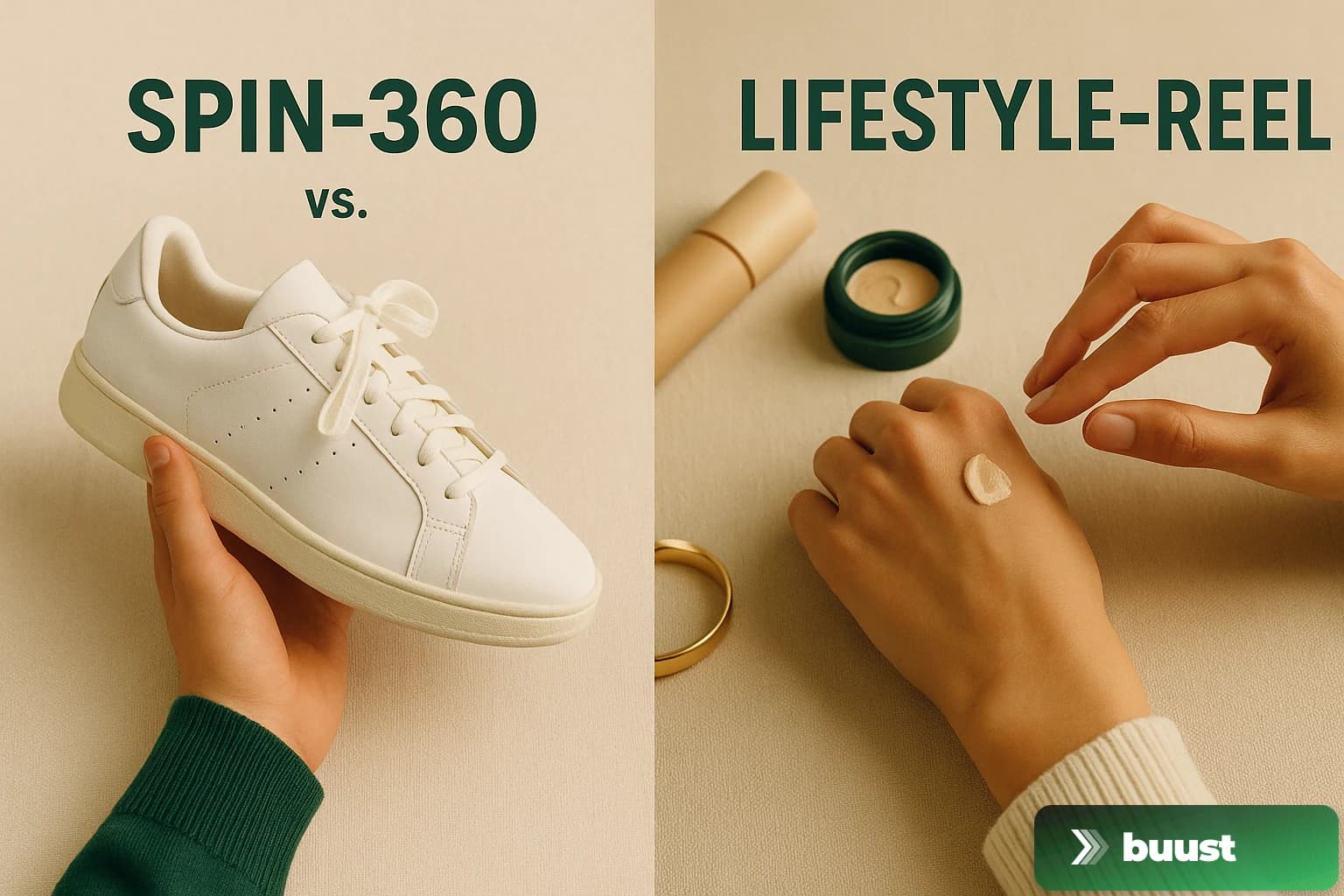
Spin-360 vs. Lifestyle Reel: Which Video Style Fits Which Product
Not every product sells with the same video style. A spin-360 is brilliant for sneakers — and flops for cosmetics. A lifestyle Reel saves home decor — and hides the detail on jewelry. Which style fits which product.
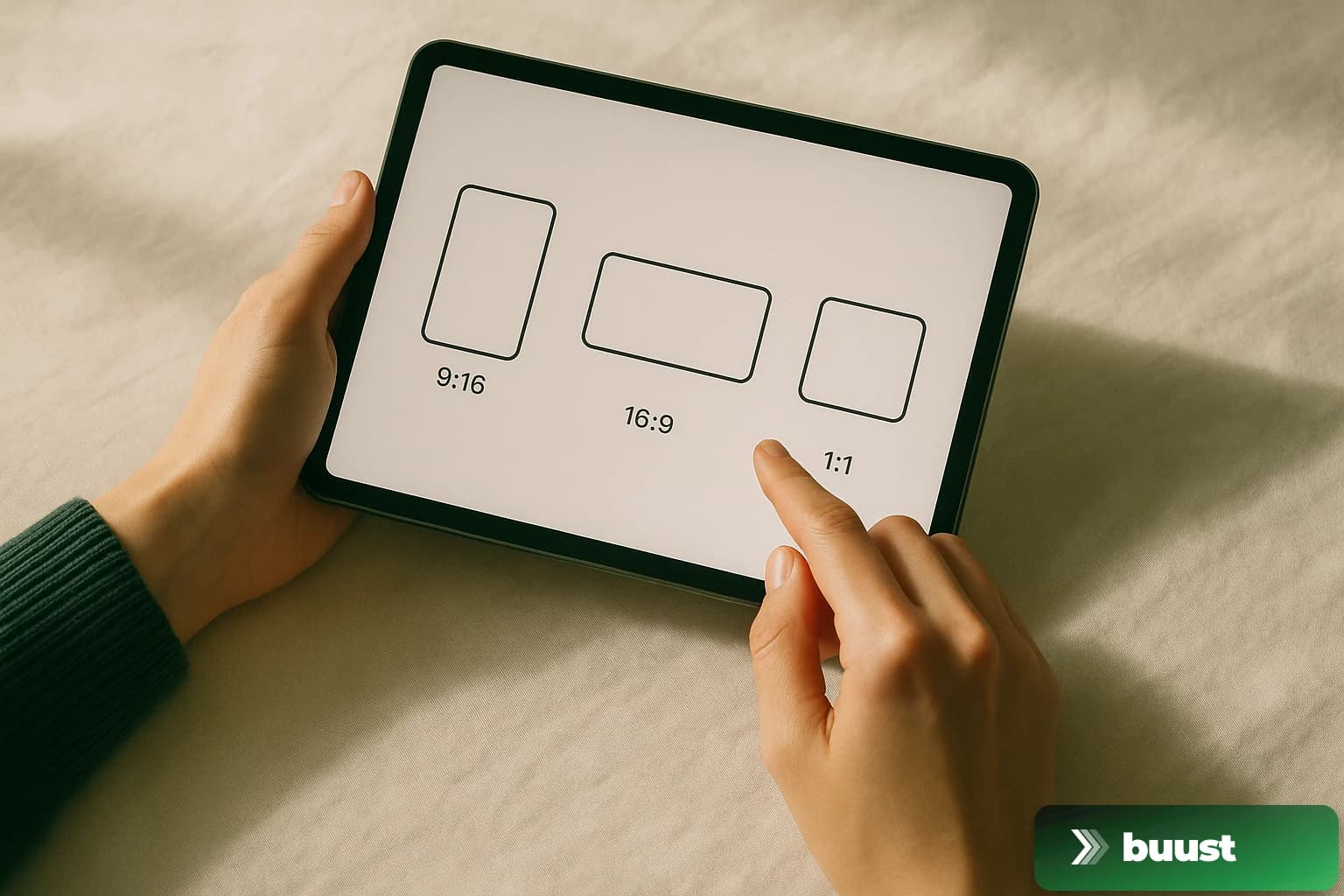
9:16 or 1:1? Which Video Format Actually Sells Where
Landscape, portrait or square — the wrong aspect ratio costs you reach before anyone even sees your product. An honest matrix of which format actually performs on which platform, and when a universal format is enough.

Lower returns without changing your shipping — why your product page causes half the returns
Packaging, logistics, carriers — all checked. Still, one in four parcels comes back. What most shops miss: half of all returns are caused on the product page, long before shipping starts. What to do about it.

One-Off or Stock: Which Video Sells Faster — and Why You Never Have to Guess Again
You sell a vintage one-off exactly once — trial and error fails here. Stock items are different. Buust automatically detects which kind of product you have, and learns from every sale which video style sells fastest.
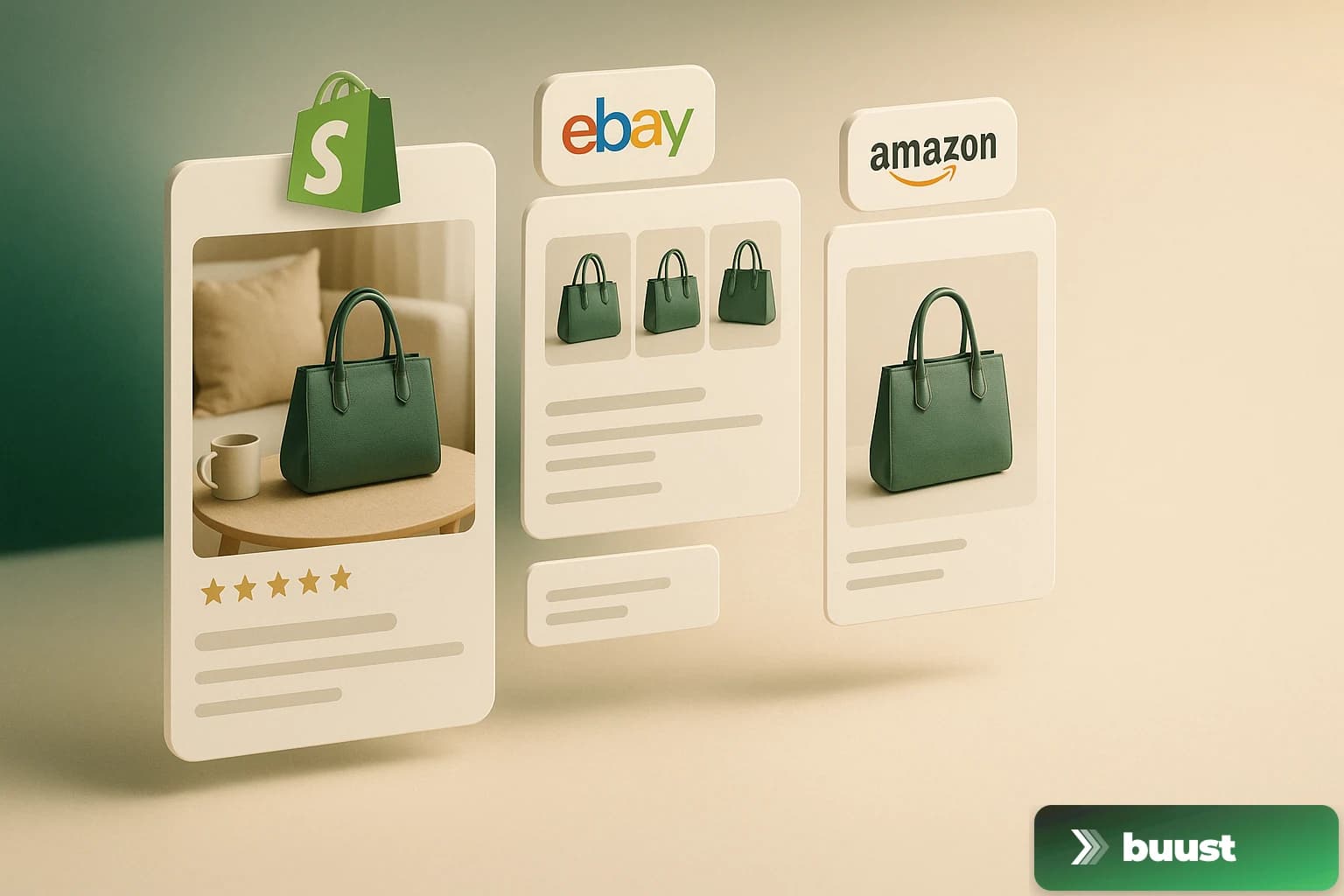
Three Marketplaces, Three Different Stories — and Why That Costs You Buyers
On Shopify you show lifestyle. On eBay three stock photos. On Amazon just the hero image. Buyers research across platforms today — and they notice when your brand looks different on every channel. What inconsistent listings actually cost you.

The first three seconds: what your product page sells (or doesn't)
Every visitor decides in under three seconds whether to stay. In that time, nobody reads your description. What actually matters for whether someone buys or scrolls on — and how to get it right without touching your theme.

Pilot complete: YouTube Shorts is live — and it wasn't what we expected
Ten pilot sellers spent three months auto-publishing their Buust videos as YouTube Shorts. The surprise wasn't in the views — it was in how buyers found their way back to the shop. As of today, YouTube Shorts is out of pilot.

Pilot complete: Shopify is live — what the test shops showed us
Three months of pilot with real Shopify shops, from jewelry through fashion to home & garden. The short answer: Buust for Shopify leaves pilot status today and is production-ready on every plan. The long answer is below — including the things we underestimated.

Pilot complete: eBay is live — three months on real seller accounts
Ten German eBay sellers, seven categories, 4,800 listings with Buust video — and three findings that changed our picture of eBay. As of today, eBay is out of pilot. What we did, what we learned, and what we fixed.

Why Your First Product Video Doesn't Have to Be Pretty
A plain zoom clip looks unspectacular — and still beats every listing without video. Why the ROI isn't in the individual clip but in the fact that your 200 products even have one. And what comes after.

Day 7 After Buust on 107 eBay Listings: The Honest Scorecard
472 eBay listings, 107 with Buust video, 7 days later: impressions +17.2%, sales mixed, one listing with +46% conversion uplift. What really happens when the pipeline meets your own catalog — real numbers, no marketing filter.

More Buyers Without a New Channel: Why Shopify Stores Bet on Product Videos
Build a TikTok account, run a Reels strategy, brief influencers — and in the end, your traffic still comes from Google. What if your conversion rate could go up without launching a single new channel?

100 Sales Videos in 30 Minutes: How Bulk Actually Works
Shooting one video per listing manually costs an hour. 100 listings cost 100 hours. Bulk rendering produces the same volume in the time it takes you to grab a coffee. Here is the workflow — and why it flips the ROI immediately.

Why eBay Listings Without Video Barely Get Clicks in 2026
Buyers scroll faster than you can upload photos. Anyone still selling on eBay in 2026 without video loses clicks to listings that show motion in the first three seconds. What changed and what to do about it.